
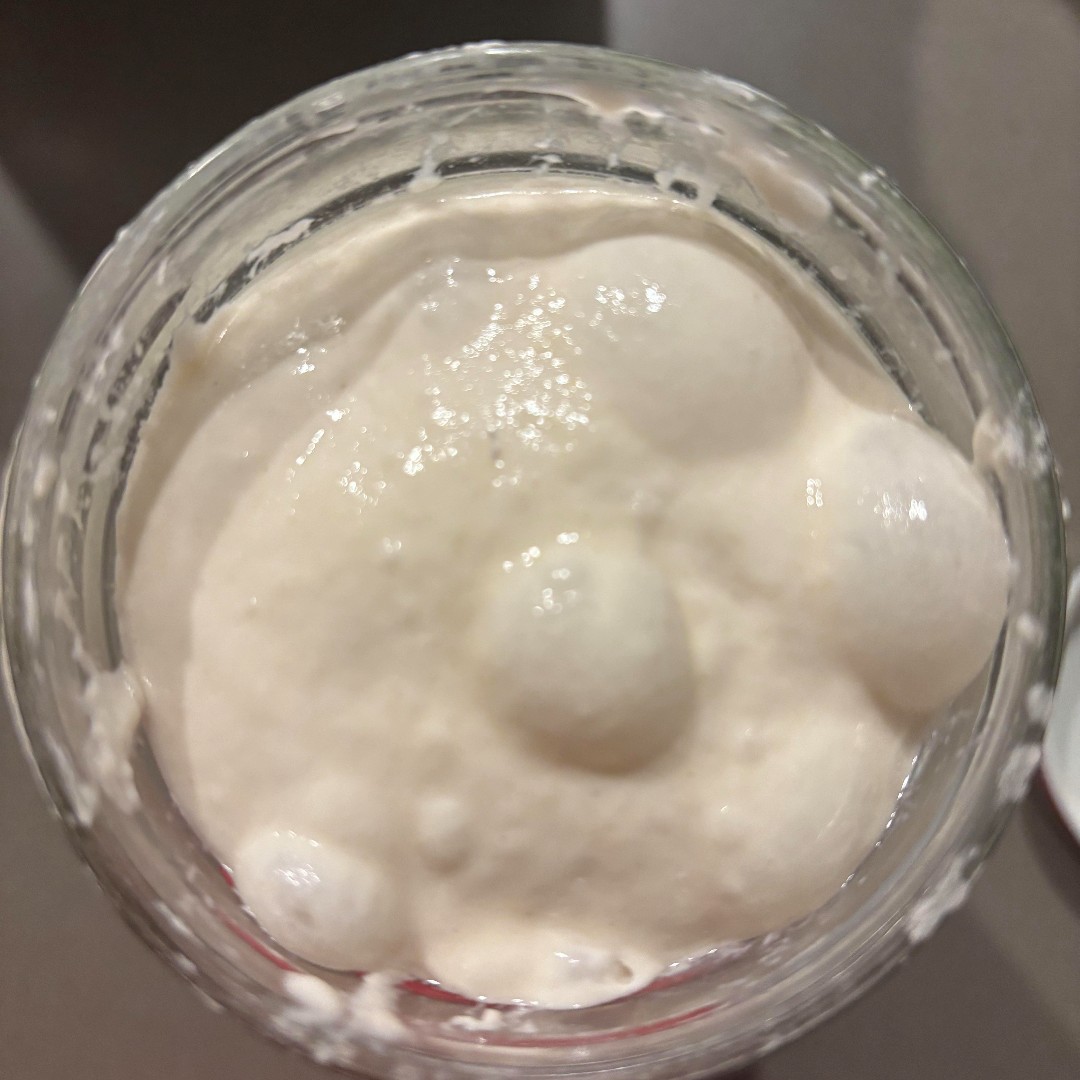
NEW BLOG POST: Part 2 — Waking Up Your Wild Yeast ✨ Your sourdough starter isn’t a fussy laboratory experiment or a high-maintenance pet—it’s a resilient, living culture that simply wants to thrive once you understand its language. In Part 2 of our Beginner Series, we strip away the guesswork to show you exactly how to activate a dormant culture, decode feeding ratios, and read visual cues so you know precisely when your starter is ready to bake. Best of all, we share the exact strategies to make your starter fit into your real life using your fridge, keeping it sustainable for busy schedules. Stop guessing, learn the language of fermentation, and read the full guide here:

Why Every Australian Kitchen Needs a Sourdough Starter
This blog series is my answer to every one of those doubts. Over six posts, I’ll take you from complete beginner to confident home baker — giving you the science, the method, and the mindset to bake sourdough that fits your real life. Not a perfect life. Your actual one.
We’re starting at the very beginning — with the one thing that makes sourdough completely different from every other bread you’ve ever made.
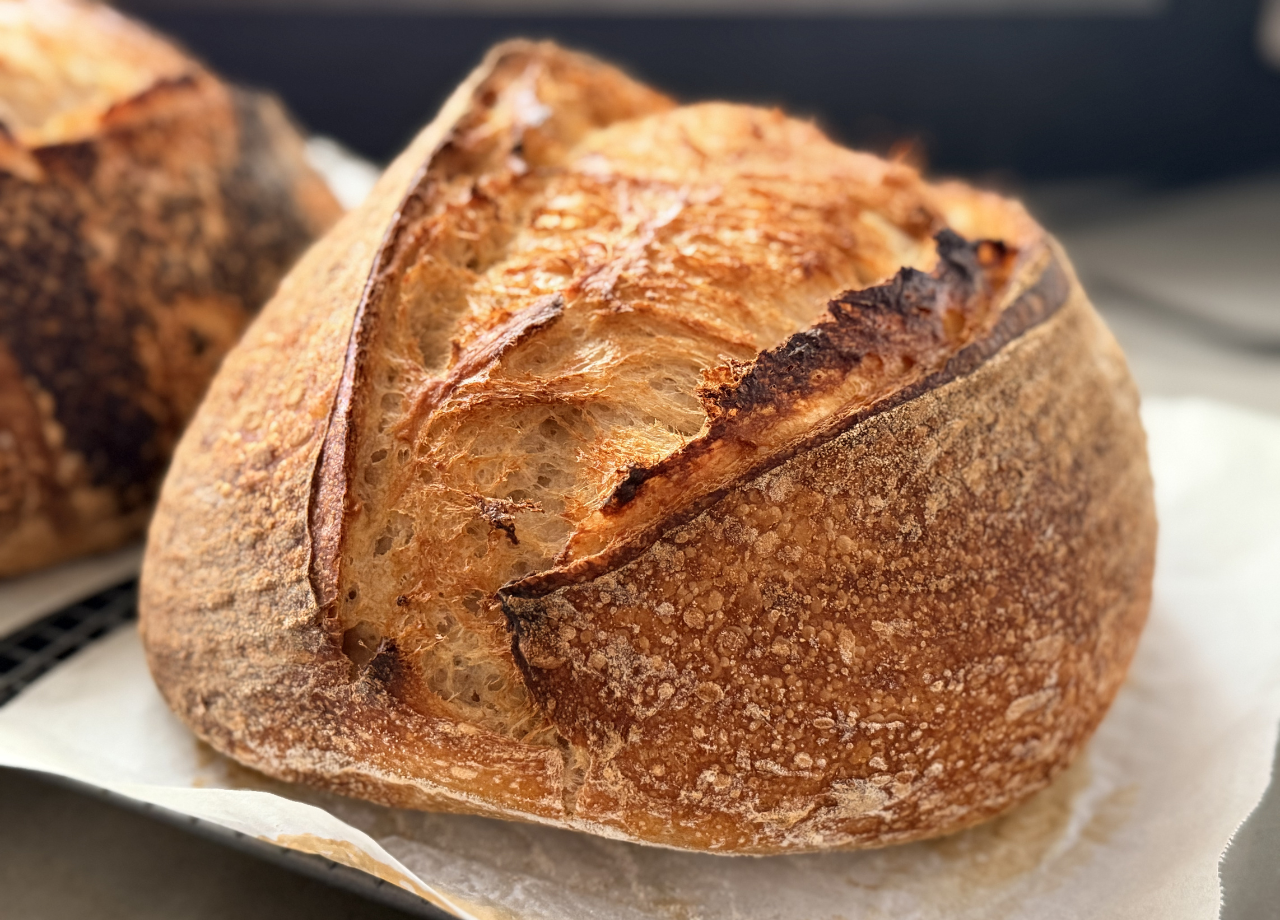
The Science of Sour: A Masterclass in Calibrating Sourdough Flavor
Managing the sourness in your sourdough is a biological balancing act between lactic acid (creamy and mild) and acetic acid (sharp and vinegary) that you can calibrate by adjusting your fermentation environment. To achieve a more assertive tang, you should use a past-peak starter, incorporate mineral-rich whole grains like rye to buffer acidity, and extend your cold proof in the refrigerator for up to 48 hours to favor acetic acid production. Conversely, if you prefer a milder, buttery profile, focus on using a “young” levain before it reaches full ripeness, shortening your overall fermentation timeline to prevent acid buildup, and maintaining a frequent feeding schedule to ensure your starter remains sweet and vibrant. By treating variables like temperature and hydration as “levers,” you move beyond following a recipe to intentionally designing the flavor profile of every loaf you bake.
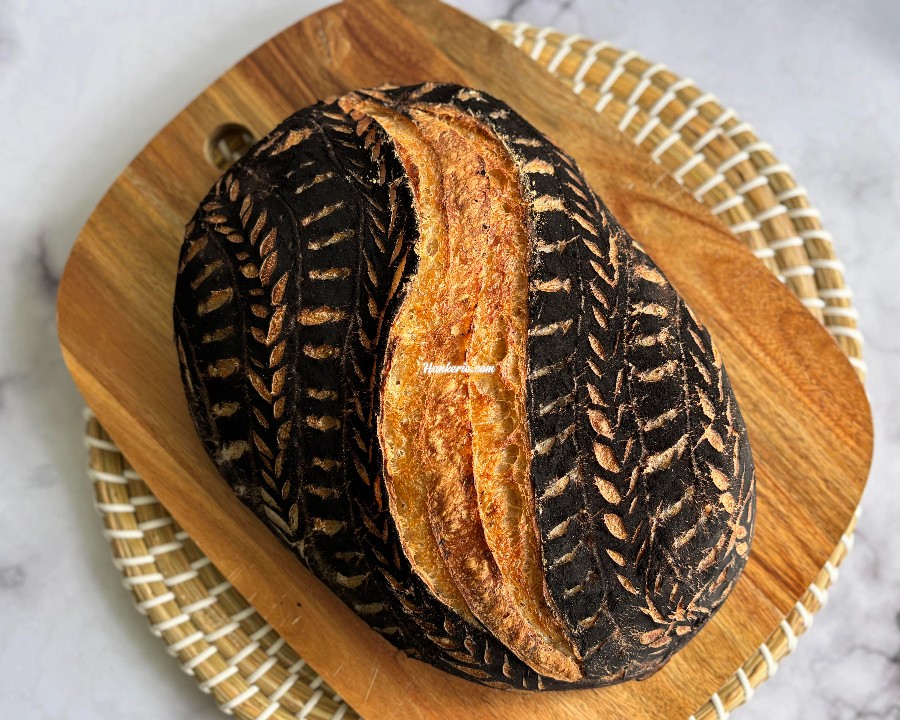
How to Score Black Cocoa Sourdough Bread Masterclass
Ever wondered how bakers create those stunning, intricate patterns on their sourdough loaves? I’m thrilled to share my latest video where I guide you step-by-step on how to score breathtaking wheat-stalk designs onto your black cocoa sourdough.
From the magic of dough lamination with cranberries, flaxseeds, and poppyseeds, to overnight cold proofing, dusting with dramatic black cocoa, and finally, creating those elegant scoring patterns—this comprehensive tutorial covers it all!