In the world of artisanal fermentation, there is a single question that dominates my workshops in Ryde: “How do I control the tang?” For some, the dream is a mouth-puckering, “San Francisco-style” bite that defines the sourdough experience. For others – myself included, depending on the day – the goal is a subtle, buttery nuance that allows the quality of the grain to take center stage.
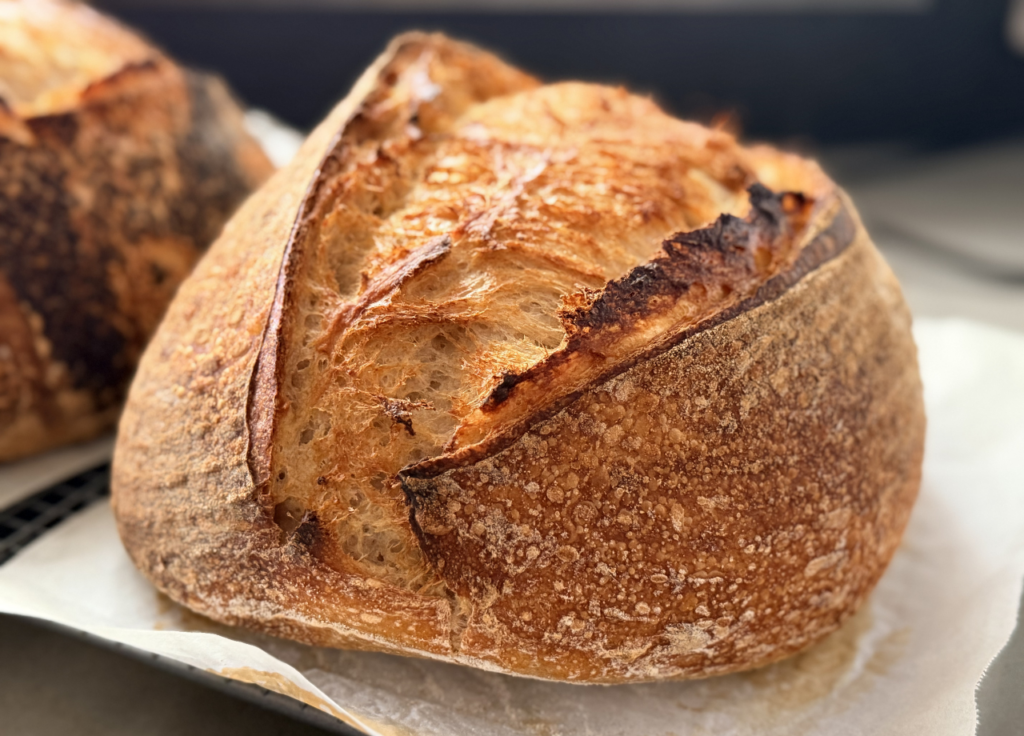
As a busy professional balancing a career in AI automation with sixteen years of sourdough mastery, I’ve learned that sourness isn’t a happy accident. It is a biological output that can be precisely calibrated. Below is a deep dive into the “levers” of flavor, inspired by the mechanics of fermentation and the foundational work of sourdough bread making.
1. The Micro-Biology of Taste: Lactic vs. Acetic Acid
To control the flavor, you must understand the “engine” inside your dough. The tang in sourdough comes from Organic Acids produced by Lactic Acid Bacteria (LAB). There are two primary players:
- Lactic Acid: Think of the smooth, creamy tang of high-end yogurt. This acid is produced at higher temperatures and higher hydration levels. It provides a “round” flavor.
- Acetic Acid: This is the sharp, vinegary punch. It is produced more readily in cooler, drier (lower hydration) environments.
By manipulating the environment of your dough, you are essentially “voting” for which acid-producing bacteria will dominate the conversation.
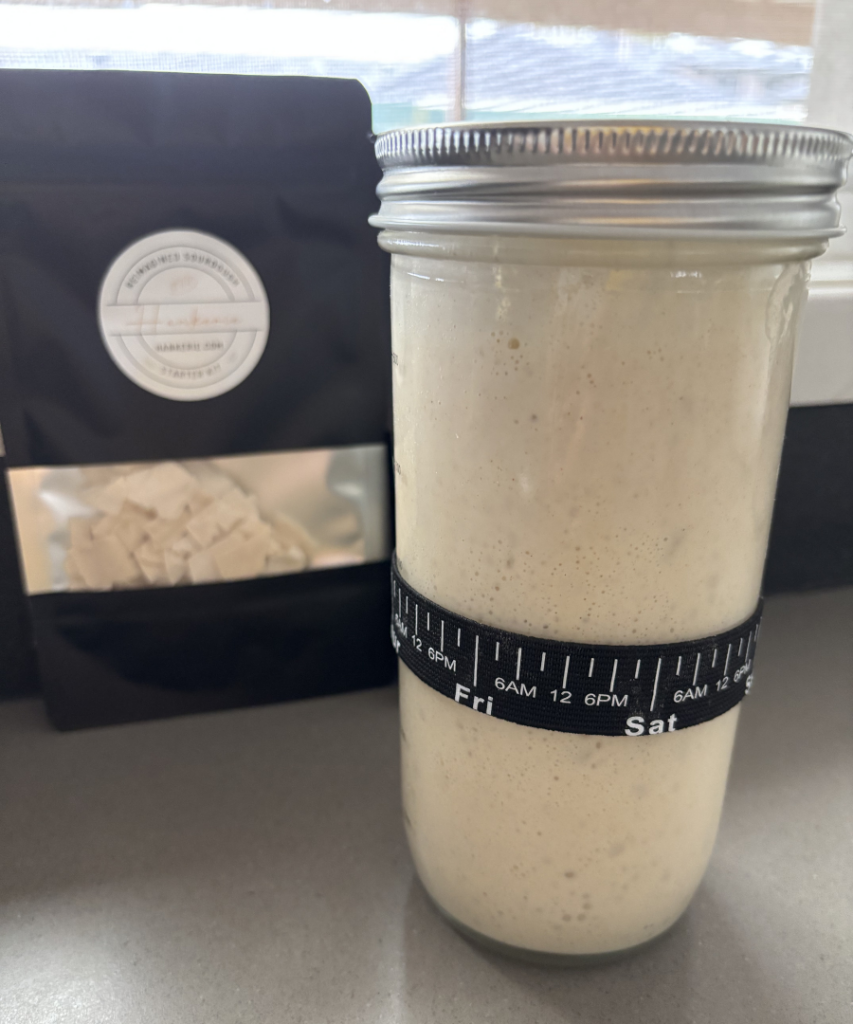
2. Levers to Increase Sourness (The “Tang” Profile)
If you want a loaf that makes an assertive statement, you need to provide your bacteria with more “runway” to produce acid.
A. Use a Past-Peak Starter
Most recipes tell you to use your starter at its “peak” (when it has doubled or tripled). However, if you wait until the starter has slightly collapsed and smells quite sharp or vinegary, you are introducing a high concentration of acid into your dough from Minute One. This “acid load” carries through to the final bake.
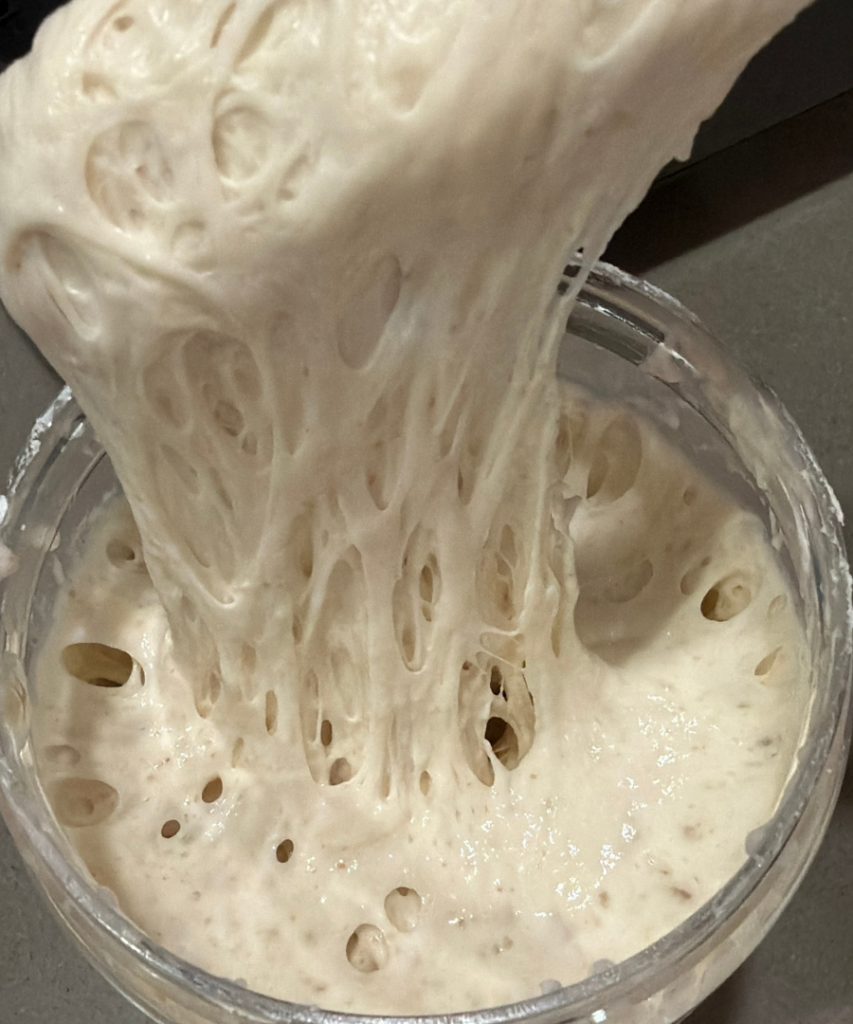
B. The Power of “Buffering” with Whole Grains
White flour is refined and has low mineral content. Whole grains—specifically Rye and Whole Wheat—are high in minerals (ash content). These minerals act as a “buffer.”
The Science: In white flour, the pH drops quickly, which eventually shuts down the bacteria. In whole grain flour, the minerals absorb some of that acid, keeping the pH higher for longer. This allows the bacteria to keep working and pumping out more total acid before they hit their “ceiling.”
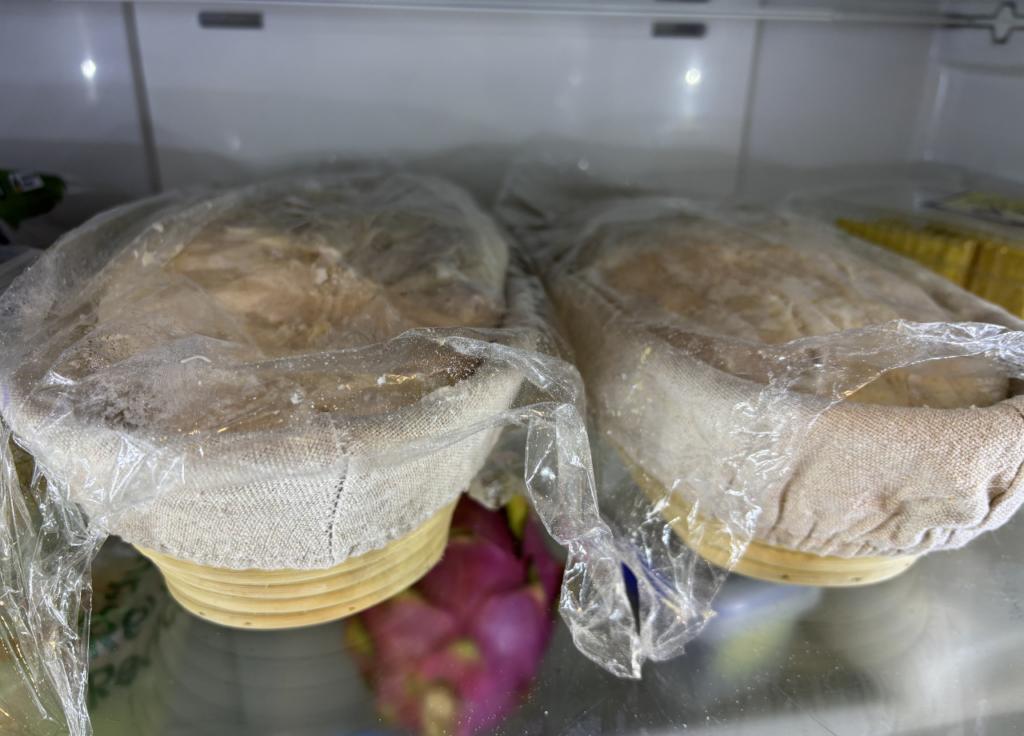
C. Extend the Cold Retard (The 48-Hour Trick)
The refrigerator is your best friend for flavor. Cold temperatures slow down yeast significantly more than they slow down bacteria. While your loaf stays small in the fridge, the bacteria are still hard at work.
- 12 Hours: Subtle, mild flavor.
- 24–48 Hours: Sharp, assertive, and complex tang.
D. Lower the Hydration
A “Stiff Levain” (around 50-60% hydration) slows down the overall fermentation but specifically encourages the production of Acetic Acid. If you want that vinegar-like bite, go stiff.
3. Levers to Decrease Sourness (The “Mild” Profile)
For a crowd-pleasing, sandwich-style sourdough that lacks the aggressive bite, you want to prioritize “Yeast Health” over “Acid Accumulation.”
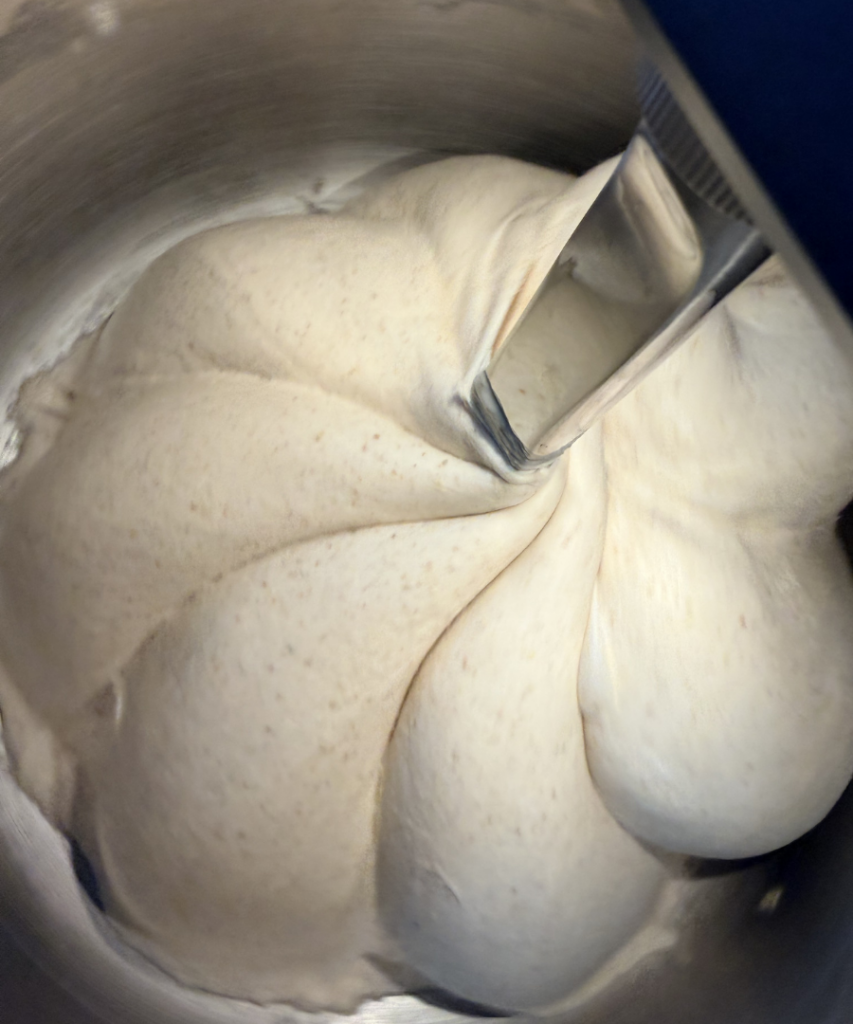
The “Young” Levain
Use your levain when it is still rising and smells sweet/yeasty rather than sour. This “Booster Levain” ensures high leavening power with very little acid carry-over.
Shorten the Timeline
Avoid the long fridge stay. A warm bulk fermentation followed by a 3-4 hour room-temperature proof will result in a bread that is nutty and grain-forward without the sharp tang.
Maintain a Frequent Feeding Schedule
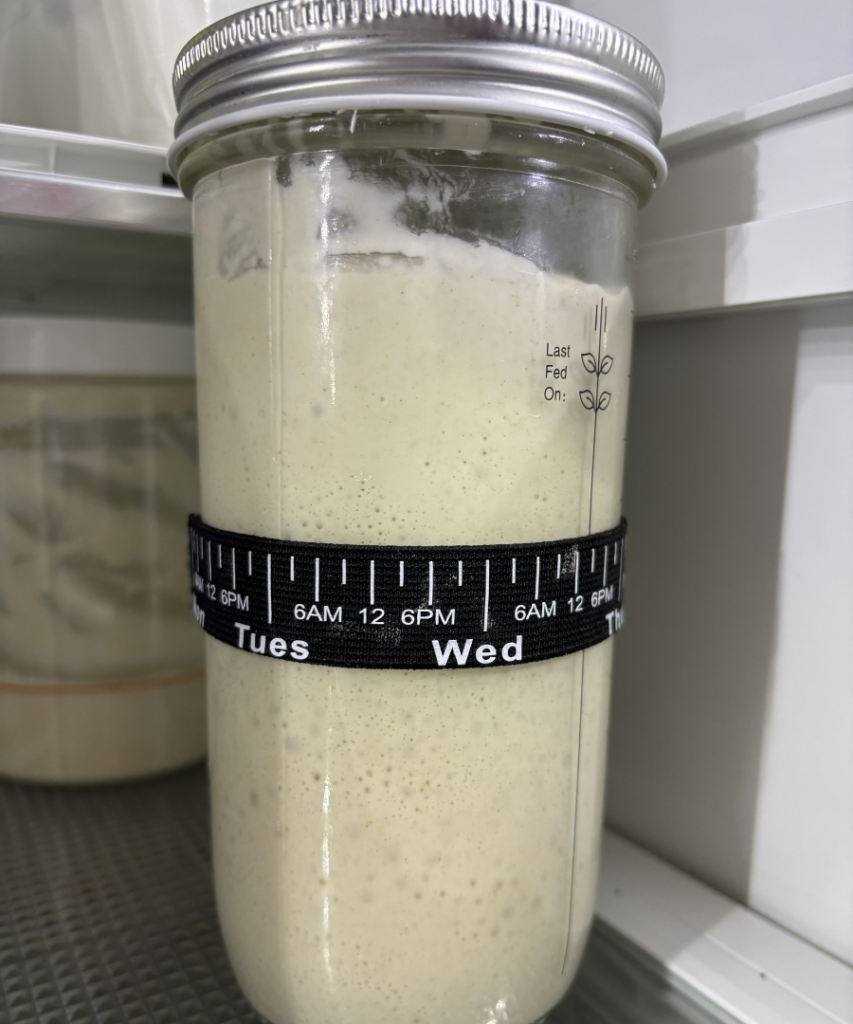
A starter that sits in the fridge for a week builds up “hooch” and high acidity. For a mild loaf, feed your starter twice a day for 2 days before you bake. This “washes away” the old acid, leaving you with a fresh, sweet-smelling culture.
4. Troubleshooting: Why is my bread bland?
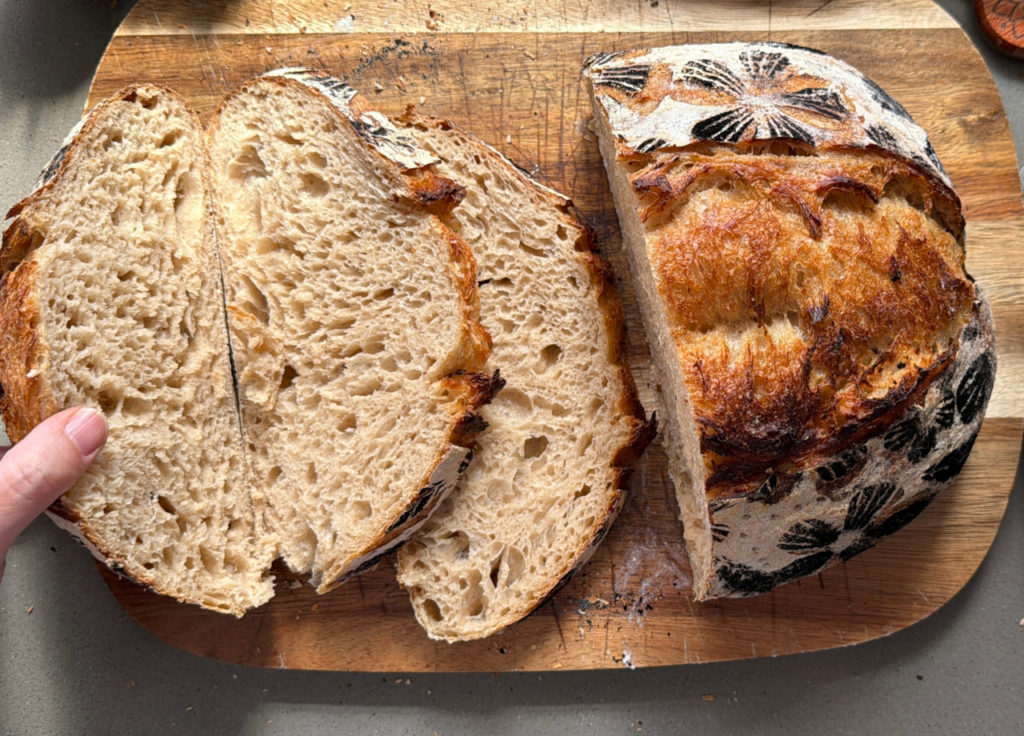
If your bread tastes like a standard yeast loaf despite being sourdough, you likely have one of three issues:
- Immaturity: Your starter is too young (less than a month old).
- Speed: Your kitchen is too hot, and the bread is rising so fast that the bacteria don’t have time to produce flavor.
- Dilution: You are using too much starter in your recipe, which speeds up the rise and cuts the flavor-development time short.
5. The Professional Shortcut: Starting with a Mature Culture
Many bakers struggle for months because they are working with a weak, “infant” starter. In my sixteen years of baking, I’ve found that a mature, stable culture is the most important variable.
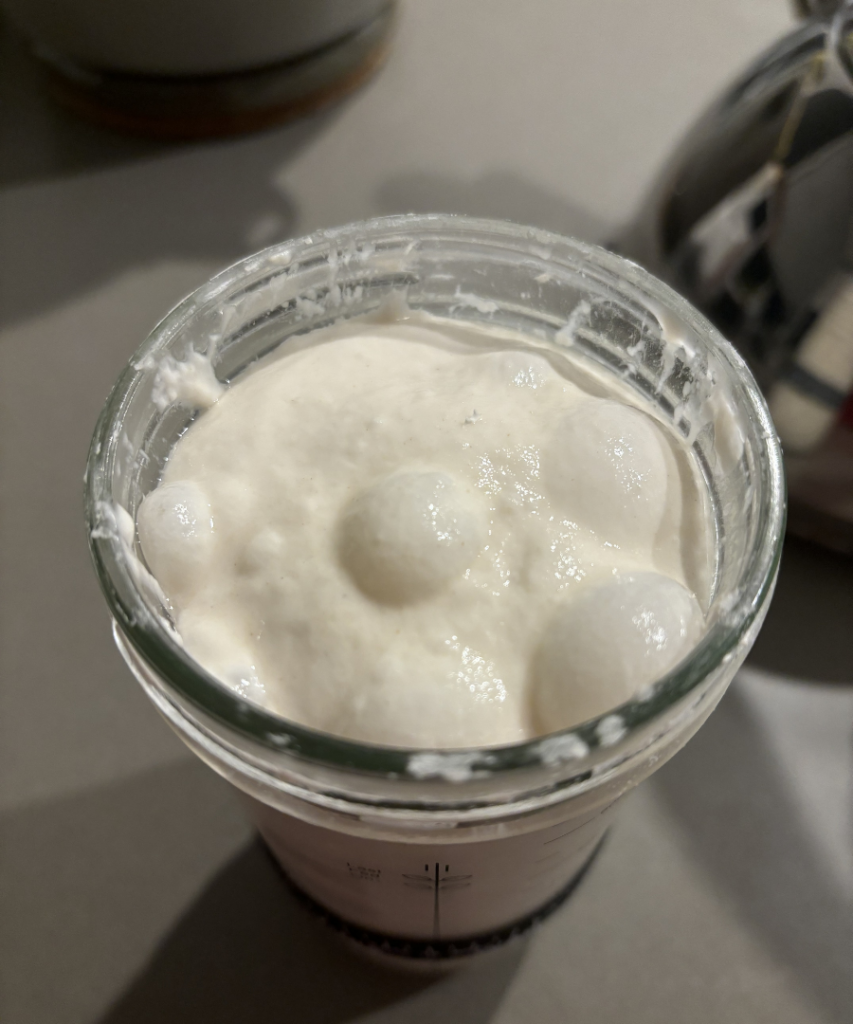
If you want to skip the trial and error, I offer my own 16-year-old mature sourdough starter through the Hankerie Shop (Buy Now). This culture is the same one I use for my professional masterclasses and has been refined for over a decade to provide a consistent, reliable flavor profile.
- Fresh Mature Starter: Available for local pickup or fast shipping within Australia.
- Dehydrated Starter: The perfect, shelf-stable option for bakers anywhere in the country.
Get your starter here:Hankerie Shop – Mature Sourdough Starter
Summary Table: Sourness at a Glance
| To Increase Sourness | To Decrease Sourness |
| Use starter past its peak | Use starter at its peak |
| Longer cold proof (24-48h) | Shorter cold proof (8-12h) |
| Lower hydration levain | Higher hydration levain |
| Increase Whole Grains/Rye | Use mostly White Flour |
| Smaller amount of starter | Larger amount of starter |
Sources & Inspiration
This guide is synthesized from my 16 years of hands-on experience and is informed by the following industry standards and culinary science:
- Modernist Bread by Nathan Myhrvold (For the science of ash content and buffering).
- Ongoing research into Lactobacillus and Saccharomyces interactions in high-hydration environments.
Shop our product or signed up hands-on classes at Sydney ➡︎ https://hankerie.com/shop
Join our Sourdough Masterclass ➡︎ https://hankerie.com/masterclassManaging the sourness in your sourdough is a biological balancing act between lactic acid (creamy and mild) and acetic acid (sharp and vinegary) that you can calibrate by adjusting your fermentation environment. To achieve a more assertive tang, you should use a past-peak starter, incorporate mineral-rich whole grains like rye to buffer acidity, and extend your cold proof in the refrigerator for up to 48 hours to favor acetic acid production. Conversely, if you prefer a milder, buttery profile, focus on using a “young” levain before it reaches full ripeness, shortening your overall fermentation timeline to prevent acid buildup, and maintaining a frequent feeding schedule to ensure your starter remains sweet and vibrant. By treating variables like temperature and hydration as “levers,” you move beyond following a recipe to intentionally designing the flavor profile of every loaf you bake.