Craving a comforting plate of Malaysian-style fried noodles but want something healthier and easy to whip up on a busy weeknight? This simple stir-fry is your answer.
The Smell That Brings Me Home
You know that moment when you step off the plane, the air still thick with jetlag, and then—bam! You smell it. The hawker stalls. The sizzling garlic. That unmistakable wok hei you can only find back home in Malaysia. It hits you like a warm, savory hug. And suddenly, you’re no longer tired. You’re hungry.
The Craving That Started It All
It hits you sometimes, doesn’t it? That deep, undeniable yearning for a specific taste, a texture, a feeling that only a particular dish can evoke. For me, often, it’s the siren call of Malaysian street food. Picture this: the humid evening air thick with a symphony of smells – sizzling garlic, charred meat, sweet soy sauce caramelising, the faint metallic tang of a super-heated wok. You’re standing by a hawker stall, mesmerised by the chef’s movements, a fiery ballet of tossing, flipping, and seasoning. And then, it arrives: a steaming plate of Char Kway Teow, Mee Goreng Mamak, or, the object of my frequent desire, KL Hokkien Mee.
I grew up chasing that smell down the lanes of Kuala Lumpur, trying to figure out which stall was frying up the best Hokkien mee that night. But now, years away from home and deep into weeknight routines in Sydney, I often find myself craving something similar—but lighter, simpler, and guilt-free. That’s how this recipe was born.
Let’s Be Honest: This Isn’t Your Grandmother’s KL Hokkien Mee
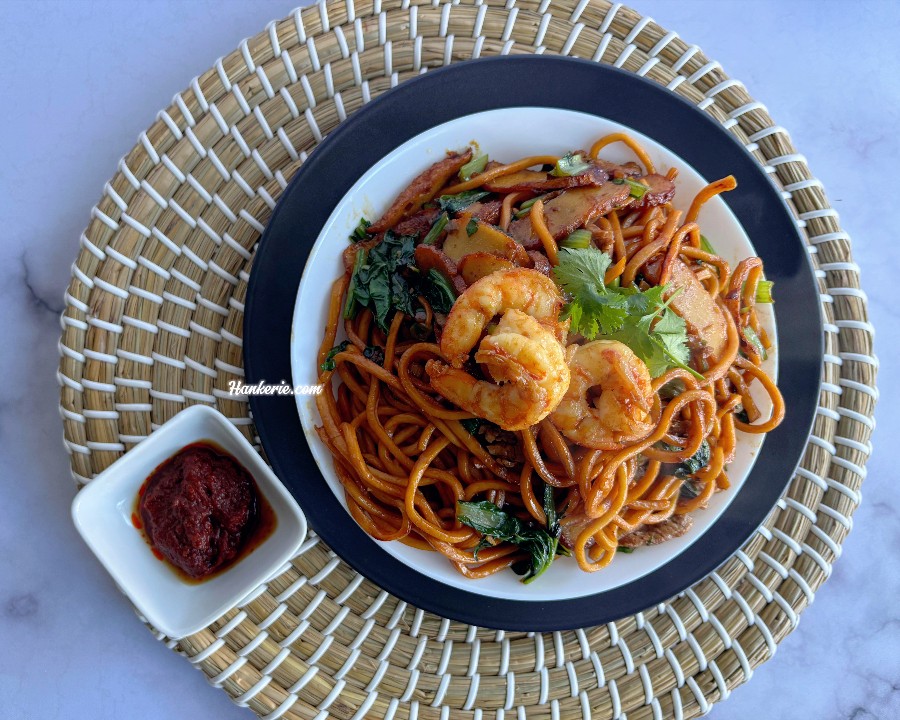
This isn’t the deep, dark, smoky plate of KL Hokkien mee with pork lard cracklings and fried pork bits that you’d get at a late-night mamak. But it is a quicker, healthier version that still delivers that rich, savory satisfaction—without needing a blazing wok or ingredients you have to hunt for at obscure markets.
No pork lard. No MSG. No fancy tricks. Just solid home-style cooking with real flavor and a bit of nostalgia packed into every bite.
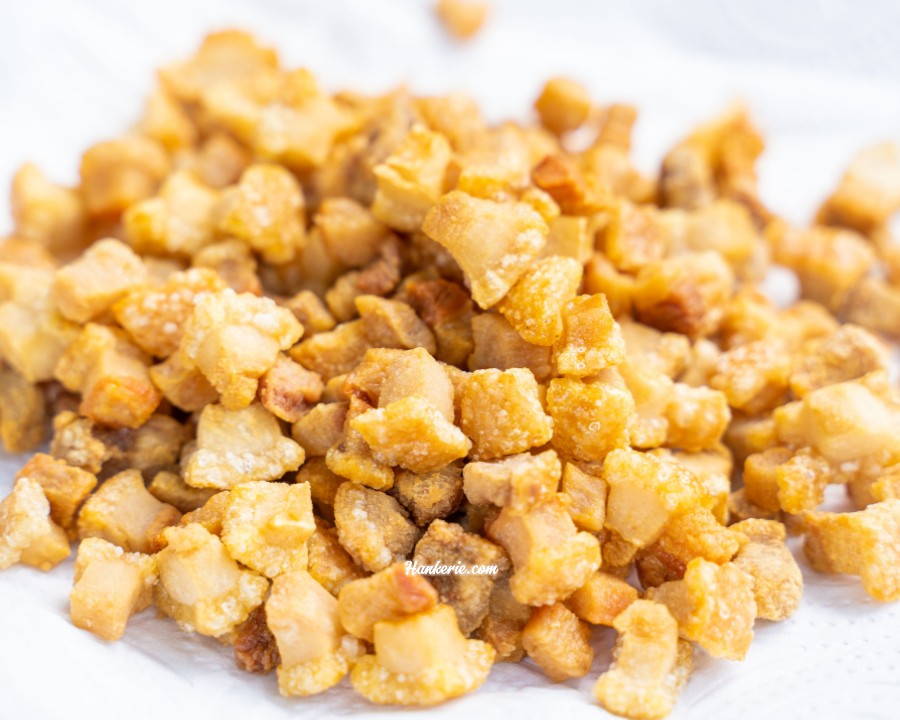
Ah, KL Hokkien Mee. Not to be confused with its Penang prawn broth cousin, the Kuala Lumpur version is a dark, glossy, glorious mess of thick yellow noodles bathed in a rich, dark soy sauce gravy, studded with pork, prawns, squid, and crisp morsels of fried pork lard. The flavour is deep, intense, smoky from the wok hei – that elusive ‘breath of the wok’ – and utterly, profoundly satisfying. It’s the kind of food that coats your soul as much as it coats the noodles.
But here’s the rub. Recreating that exact experience at home on a Tuesday night after a long day? It’s… ambitious. It demands a powerful burner, a seasoned wok, ingredients that might require a special trip (hello, pork lard! and of course not good for cholesterol too), and a certain level of fearless abandon at the stove. Sometimes, life calls for something a little gentler, a little quicker, a little… lighter.
That’s where this recipe comes in. It was born from that intense craving for KL Hokkien Mee, tempered by the reality of a busy schedule and a desire for something I could feel good about eating regularly. I wanted those core flavours – the savoury depth, the hint of sweetness, the silky noodles – but streamlined, made accessible, transformed into a weeknight champion.
This isn’t a pale imitation. It’s a loving homage, a translation. It captures the essence of those dark, saucy noodles, using ingredients readily available in most supermarkets and techniques manageable on a standard home stovetop. We’re skipping the pork lard (sorry, purists!), reducing the oil slightly, but strategically building layers of flavour with sauces and aromatics to achieve a result that is genuinely delicious, and, most importantly, achievable.
Think of it as the friendly neighbourhood cousin of the legendary street food dish. It’s warm, comforting, packed with umami, and ready in under 30 minutes once you have your ingredients prepped. It’s the answer to “What’s for dinner?” when you want something exciting but don’t have hours to spare. It’s real food, real flavour, real easy.
So, let’s banish the takeout menu temptation. Let’s quiet the voice that says delicious Malaysian food is too complicated for a weeknight. Let’s tie on our aprons, gather our ingredients, and bring a taste of Malaysia into our homes, one easy, flavourful strand of noodle at a time. This is your story now, the story of conquering that craving and creating something wonderful.
The Cast of Characters: Unpacking Our Ingredients
Every great story needs compelling characters, and in the culinary world, our ingredients are the stars. Each one brings its own personality, its own background, its own unique contribution to the final narrative on the plate. Understanding them is key to making the dish truly sing. Let’s meet the players for our Easy Malaysian-Style Fried Noodles:
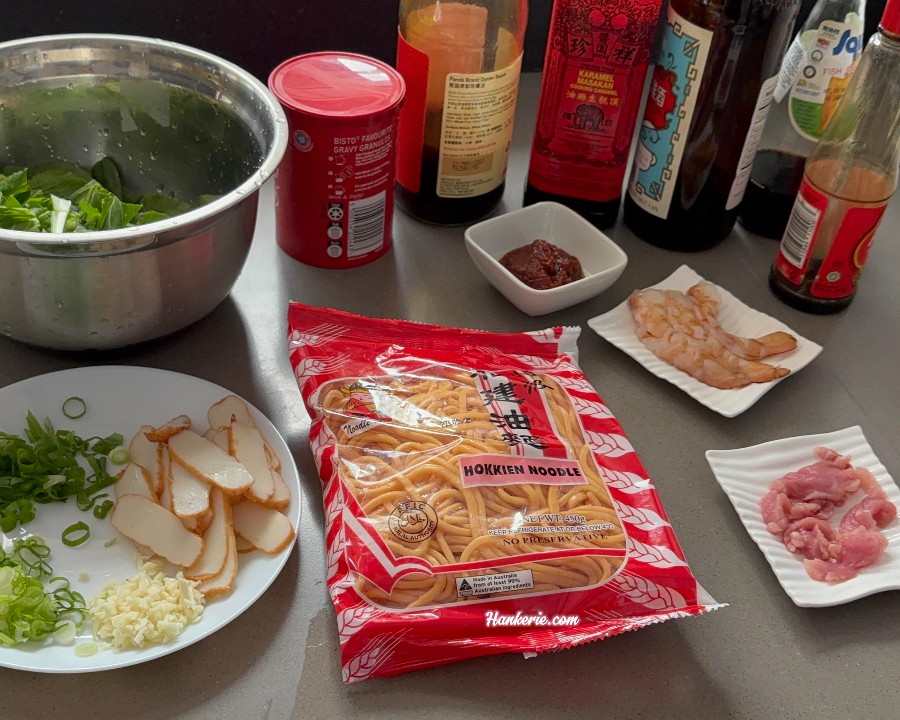
The Hero: Hokkien Noodles (Thick Yellow Noodles) – 450g
Our protagonist! These aren’t just any noodles; they are the heart and soul of the dish. Hokkien noodles are typically thick, round, yellow egg noodles. Their substantial size and slightly chewy texture make them perfect for soaking up rich sauces without turning mushy.
- Why Yellow? The yellow colour often comes from eggs in the dough, but more commonly in commercially produced noodles, it’s due to alkaline salts (like lye water or sodium carbonate/bicarbonate). This alkalinity does more than colour the noodles; it gives them that distinct springy, slightly “bouncy” texture that’s characteristic of many Asian noodle dishes. It also imparts a subtle but unique flavour.
- Finding Them: You’ll usually find these pre-cooked and vacuum-sealed in the refrigerated section of Asian grocery stores, and often in the international aisle or refrigerated section of larger supermarkets. They might be labelled “Hokkien Noodles,” “Thick Yellow Noodles,” or sometimes “Singapore Noodles” (though check the thickness).
- The Prep: Because they are pre-cooked and often packed in oil to prevent sticking, they just need a quick dip in boiling water – literally, just one minute – to loosen them up and heat them through slightly. Rinsing briefly under cold water halts the cooking and washes away excess oil, preventing them from clumping later. Drain them thoroughly; excess water will dilute our beautiful sauce. Think of this step as waking up our hero, getting them ready for action.
The Supporting Ensemble: Proteins
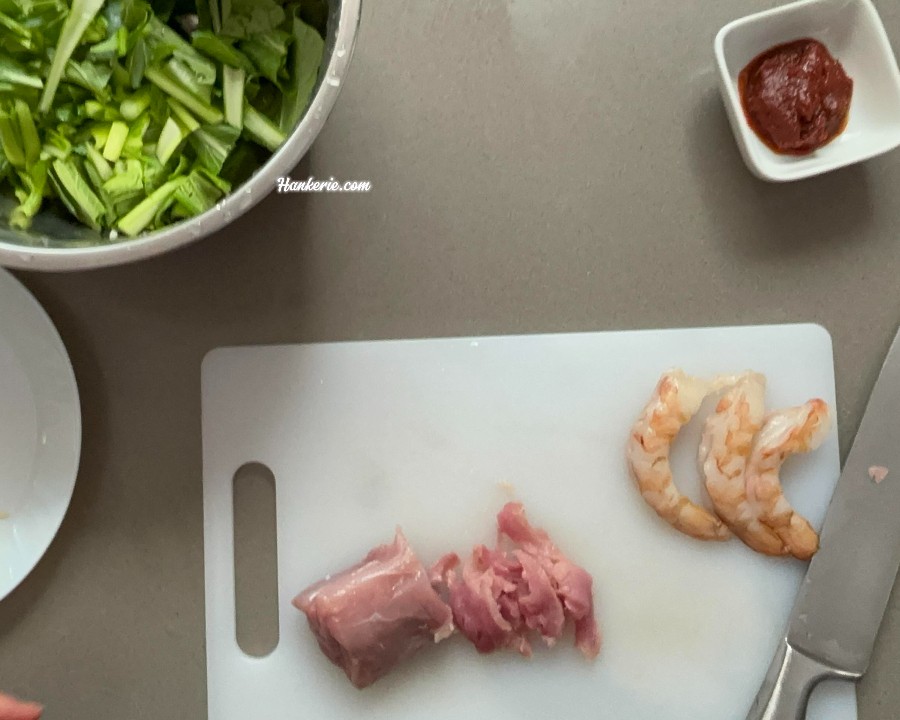
These characters add substance, flavour depth, and textural contrast.
- Prawns (3 large, peeled and deveined): The jewels of the dish. Prawns bring a touch of sweetness and a delicate seafood flavour that complements the savoury sauce beautifully. Their quick cooking time makes them ideal for stir-fries.
- Peeling & Deveining: You can buy them already prepped, but doing it yourself is easy. Peel off the shell, leaving the tail on if you like for presentation. To devein, make a shallow cut along the back of the prawn and pull out the dark vein (which is the digestive tract). It’s not harmful, but can taste gritty.
- Why Only Three? This recipe is scaled for perhaps 1-2 servings, reflecting the ingredient list. Feel free to adjust quantities based on how many you’re feeding! The beauty of home cooking is flexibility. We’ll cook them until just pink and opaque, then set them aside to prevent them from overcooking and turning rubbery – a common stir-fry tragedy we must avoid!
- Pork (Few slices, marinated with 1 tsp light soy sauce): A nod to the traditional KL Hokkien Mee. Pork adds a savoury depth and a satisfying chew.
- The Cut: Tenderloin or shoulder works well. Slice it thinly against the grain – this ensures tenderness.
- The Marinade: A simple splash of light soy sauce does wonders. It seasons the pork from within and helps it brown nicely. Just 10-15 minutes while you prep other things is sufficient.
- The Role: It adds another layer of umami and richness, grounding the dish.
- Fish Cake (90g, sliced): A beloved ingredient in many Southeast Asian noodle dishes. Fish cake is typically made from fish paste (surimi) mixed with starch and seasonings, then steamed or fried.
- Texture & Flavour: It has a bouncy, slightly springy texture and a mild, savoury, slightly sweet seafood flavour. It doesn’t overpower but adds a delightful chewiness and absorbs the sauce wonderfully.
- Finding It: Look for it in the refrigerated or frozen sections of Asian markets. There are many varieties – cylindrical, flat, fried, plain. Any type will work, just slice it about 0.5cm thick.
The Flavour Foundation: Vegetables & Aromatics
These are the unsung heroes, building the aromatic base and adding freshness, colour, and crunch.
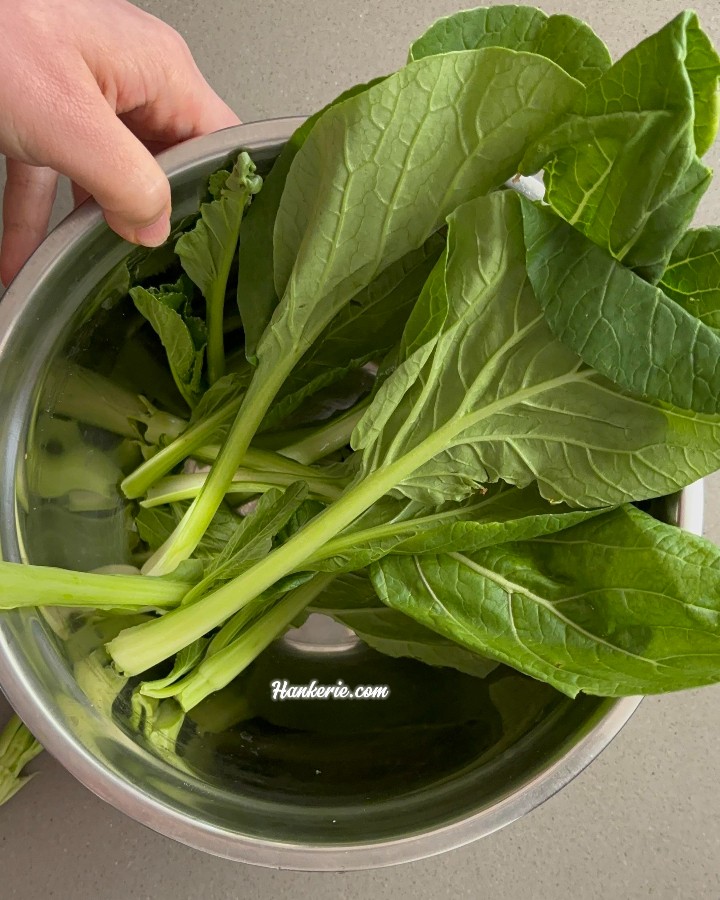
- Choy Sum (100g, washed, stems and leaves separated, cut into 5cm lengths): A leafy green vegetable popular in Chinese and Southeast Asian cooking. It has tender leaves and slightly crunchy stems, with a mild, slightly sweet flavour, sometimes with a hint of mustardiness.
- Why Separate Stems & Leaves? The stems are thicker and take slightly longer to cook. Adding them first ensures they become tender-crisp without the leaves turning into mush. This attention to detail elevates the final texture.
- The Prep: Wash thoroughly, especially around the base where grit can hide. Chop into bite-sized lengths. It adds essential freshness and a vegetal counterpoint to the rich sauce.
- Garlic (1 clove, minced): The indispensable aromatic. What stir-fry is complete without it? Minced garlic releases its pungent, savoury flavour quickly when it hits the hot oil, creating the fragrant foundation upon which we build the dish. Don’t let it burn, though – burnt garlic tastes bitter!
- Spring Onion (1 stalk, white part chopped, green part sliced for garnish): Another aromatic powerhouse, offering a milder, slightly sweeter onion flavour than regular onions.
- White vs. Green: Like Choy Sum stems and leaves, the white and green parts have different properties. The firmer white part is added early with the garlic to build flavour in the hot oil. The tender green part is reserved for garnish, adding a final burst of fresh, sharp flavour and vibrant colour just before serving.
The Secret Weapon: The Symphony of Sauces & Seasonings
This is where the magic truly happens. Each sauce contributes a specific note, layering together to create a complex, balanced, and deeply satisfying flavour profile. We add them individually to control the process and allow each flavour to develop.
- Oyster Sauce (1 TBSP): The umami bomb. Made from oyster extracts, soy sauce, sugar, and thickeners, it provides a savoury, slightly sweet, and incredibly deep flavour. It also adds gloss and body to the sauce. It’s a cornerstone of many Cantonese and Southeast Asian stir-fries.
- Dark Soy Sauce (1 TBSP): Primarily for colour and a hint of molasses-like sweetness. It’s thicker, darker, and less salty than light soy sauce. This is what gives our noodles that signature deep, dark, appetising hue reminiscent of KL Hokkien Mee. It adds visual richness and a subtle depth.
- Fish Sauce (1 TBSP): Pure, pungent umami with a distinct salty kick. Made from fermented fish (usually anchovies) and salt, it might smell strong on its own, but in cooking, it transforms, adding an irreplaceable savoury complexity that deepens the other flavours. Don’t be afraid of it; it’s essential for that Southeast Asian authenticity.
- ABC Sweet Soy Sauce (Kecap Manis) (1/2 TBSP) OR Sugar (1 tsp): The sweet counterpoint. Kecap Manis is a thick, syrupy Indonesian sweet soy sauce, flavoured with palm sugar. It adds a distinct caramel sweetness and glossy texture. If you don’t have it, regular sugar provides the necessary balance to the salty and savoury elements. Adjust sweetness to your preference.
- Mirin (2 TBSP): A Japanese sweet rice wine used for cooking. It adds a subtle sweetness, a pleasant tang, and helps to create a glossy finish on the ingredients. It also helps in deglazing the pan. If unavailable, you could use a little rice vinegar mixed with a pinch of sugar, or even just a splash more water and a tiny bit more sugar.
- Chinese ShaoXing Wine (2 TBSP): A fermented rice wine essential in Chinese cooking. It adds a complex aroma and depth of flavour that water or broth just can’t replicate. It helps to tenderise meat and remove any “fishy” smell from seafood. When it hits the hot pan (deglazing), its aroma blossoms. A dry sherry is the most common substitute if you can’t find ShaoXing wine.
- Beef Gravy Granules Powder (1 tsp, Optional but Recommended for this version): Okay, let’s talk about this one. This is not traditional. It’s our weeknight shortcut, our nod to achieving that thick, gravy-like sauce texture quickly without simmering stock for ages or making a perfect cornstarch slurry under pressure. High-quality gravy granules (choose a neutral beef or vegetable one if possible) contain thickeners and umami boosters. When dissolved in a little water, they help create that luscious coating for the noodles quickly. If you’re a purist, feel free to omit this and add a cornstarch slurry (1 tsp cornstarch mixed with 1 TBSP cold water) at the same stage, or simply reduce the sauce a little longer for a slightly thinner consistency. But for this easy version, it works surprisingly well to mimic the texture.
- Water (2 TBSP): Needed primarily to help dissolve the gravy granules (if using) and create the initial sauce base, allowing the flavours to meld and coat everything evenly.
- Cooking Oil (1-2 TBSP): A neutral cooking oil with a high smoke point is best for stir-frying. Vegetable, canola, peanut, or grapeseed oil are all good choices.
Now that we’ve met our cast and understand their roles, we’re ready to set the stage and begin the performance. The key to a successful stir-fry, especially a quick weeknight one, is preparation.
Mise en Place: The Secret to Stir-Fry Serenity
“Mise en place” is a French culinary phrase that means “everything in its place.” In the fast-paced world of stir-frying, it’s not just a suggestion; it’s practically law. Because once the heat is on, things move fast. You won’t have time to mince garlic while your prawns are overcooking or rummage for the dark soy sauce while your noodles are sticking.
Imagine yourself as the conductor of an orchestra. Before the concert begins, every musician is seated, instruments tuned, sheet music ready. Your stir-fry is the concert, and your ingredients are the musicians.
- Noodle Prep First: Get the noodles boiled, rinsed, and thoroughly drained as described. Set them aside in their colander, ready to go. This is Step 1 for a reason – they need to be waiting patiently.
- Protein Power: Peel and devein the prawns. Slice the pork and toss it with the light soy sauce in a small bowl. Slice the fish cake. Keep these separate or grouped nearby.
- Vegetable Victory: Wash and chop the Choy Sum, keeping stems and leaves separate bowls or piles on your cutting board. Mince the garlic. Chop the white part of the spring onion; slice the green part and set it aside for garnish later.
- Sauce Strategy: This is crucial for this recipe where sauces are added individually. Do not mix them all in one bowl beforehand for this specific method. Have each sauce measured out in small individual bowls or ramekins, or at least have the bottles open and the measuring spoons ready right next to the stove. Have the sugar (if using instead of Kecap Manis) measured. Have the gravy granules (if using) measured. Have the water measured. Line them up in the order you’ll use them, if possible: Oyster Sauce, Dark Soy, Fish Sauce, Mirin, ShaoXing Wine, Kecap Manis/Sugar, Gravy Powder, Water. This might seem fussy, but it makes the actual cooking process smooth, controlled, and prevents panic.
- Clear Your Stage: Make sure the area around your stovetop is clear. You need space to move, place your tools (spatula/tongs), and eventually, your serving plates.
Taking 10-15 minutes to do this preparation before you even think about turning on the heat is the single biggest favour you can do for yourself. It transforms stir-frying from a frantic, potentially chaotic scramble into a controlled, rhythmic, and enjoyable process. It’s the difference between stress and serenity. It’s the key to weeknight success.
With our mise en place complete, our ingredients prepped and waiting like eager actors in the wings, we can finally light the fire and begin the main act.
Let the Cooking Commence: A Step-by-Step Stir-Fry Story
The saucepan is on the stove, the oil is ready, the aromas are about to fill your kitchen. Take a deep breath. You’ve done the prep, now comes the fun part. We’re going to build this dish layer by layer, flavour by flavour.
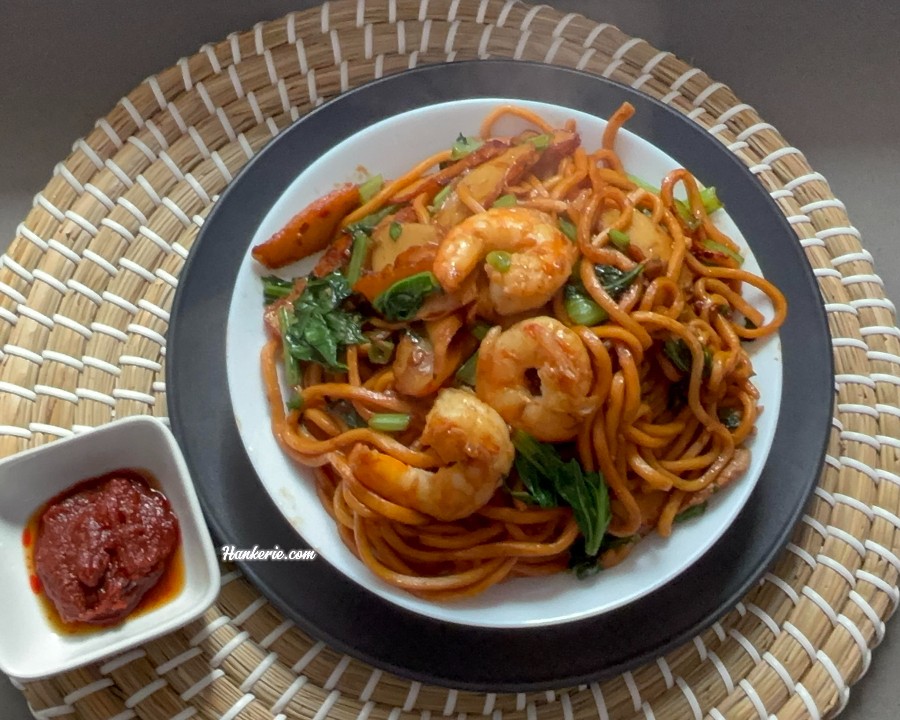
(The Foundation)
- Heat the Stage (Saucepan & Oil): Place your saucepan (a sturdy HexClad, as mentioned, is great, but any wide, relatively heavy-bottomed pan or wok will work) over medium-high heat. Let the pan get properly hot before adding the oil. How do you know? A drop of water should sizzle and evaporate instantly. Add 1-2 tablespoons of your chosen cooking oil. Give it a swirl to coat the bottom. Wait just a few seconds until the oil shimmers slightly – it should be hot, but not smoking violently.
- Aromatic Awakening (Garlic & Spring Onion Whites): Add the minced garlic and the chopped white parts of the spring onion to the hot oil. And stir immediately. Don’t let them sit still. Use your spatula or wooden spoon to keep them moving constantly for about 30 seconds. You’re not trying to brown them deeply, just to release their fragrance. The kitchen should start to smell amazing – that’s the signal that your flavour base is being built. This brief “blooming” in hot oil unlocks their essential compounds. Be vigilant; garlic can go from fragrant to burnt and bitter in a heartbeat.
(Introducing the Proteins)
- Golden Moment (Fish Cake): Add the sliced fish cake to the pan. Continue stir-frying, tossing or stirring frequently, for about 1 minute. You’re looking for the edges to get slightly golden and for the fish cake to heat through. It adds its subtle flavour to the oil and takes on a little colour.
- Pork Perfetto (Pork): Push the fish cake slightly to the side and add the marinated sliced pork to the hot part of the pan, spreading it in a single layer as much as possible. Let it sear for 20-30 seconds without moving to get some browning, then stir-fry until it’s lightly browned and just cooked through. Thinly sliced pork cooks very quickly.
- Prawn Prima Donnas (Prawns): Now, add the prawns. Stir-fry, tossing them with the other ingredients. Prawns are the speed demons of the protein world. They will cook in just 1-2 minutes. Watch them closely. As soon as they turn from translucent grey to opaque pink and curl up slightly, they are done.
- Temporary Exit (Set Prawns Aside): This is a crucial step to ensure tender prawns. Use tongs or your spatula to quickly remove only the cooked prawns from the saucepan and place them on a clean plate or bowl. Set them aside. They will rejoin the party later. If left in the pan throughout the rest of the cooking process, they would continue cooking and become tough and chewy.
(Building the Sauce & Cooking the Greens)
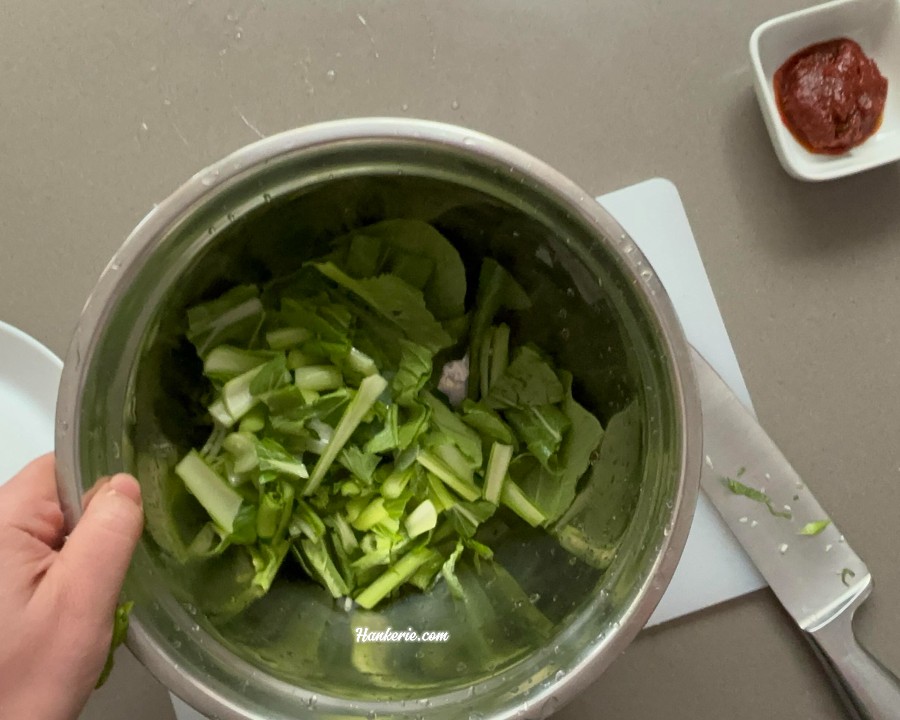
- Verdant Interlude (Choy Sum): The pan should still be hot. If it looks dry, add another tiny splash of oil if needed, but often the residual oil and rendered fat from the pork is enough. Toss in the Choy Sum stems first. Stir-fry for about 30 seconds, as they take longer to cook. Then, add the Choy Sum leaves. Stir-fry vigorously for another 30 seconds to 1 minute. The leaves will wilt quickly, and the stems should become bright green and tender-crisp. Don’t overcook them into submission; a little crunch is good.
- The Sauce Symphony Begins (Layering Flavours): Now, things move quickly! Get your pre-measured sauces ready.
- Colour & Umami (Oyster, Dark Soy, Fish Sauce): Add the Oyster Sauce. Stir quickly to coat the vegetables and other ingredients. Immediately follow with the Dark Soy Sauce (watch that colour deepen!) and the Fish Sauce. Keep stirring and tossing constantly to distribute the sauces evenly. The pan will sizzle, and the aroma will intensify – savoury, salty, complex. This should take no more than 20-30 seconds.
- Deglaze & Flavour Boost (Mirin & ShaoXing Wine): Pour in the Mirin and the Chinese ShaoXing Wine. They will hit the hot pan and bubble vigorously. Use your spatula to scrape the bottom of the pan gently as they sizzle – this is called deglazing. It lifts any flavourful browned bits (fond) that might have stuck to the pan from cooking the proteins and incorporates them into the sauce. Let it bubble and reduce slightly for about 10-15 seconds. The alcohol will mostly evaporate, leaving behind concentrated flavour and aroma.
- Sweetness & Gravy (Kecap Manis/Sugar & Gravy Granules): Stir in the ABC Sweet Soy Sauce (Kecap Manis) or the measured sugar. Stir quickly to incorporate. Now, for the optional-but-recommended shortcut: Sprinkle the Beef Gravy Granules Powder evenly over the ingredients in the pan. Immediately add the measured 2 TBSP of water. Stir quickly and thoroughly. This is important! You need to dissolve the powder instantly into the liquid to prevent clumps from forming. Keep stirring for about 30 seconds. You’ll see the mixture transform into a slightly thickened, glossy sauce that coats the ingredients beautifully. This mimics the texture of the traditional dish’s gravy. If you omitted the granules, add the water (or a cornstarch slurry) now and stir until slightly thickened.
(The Grand Reunion)
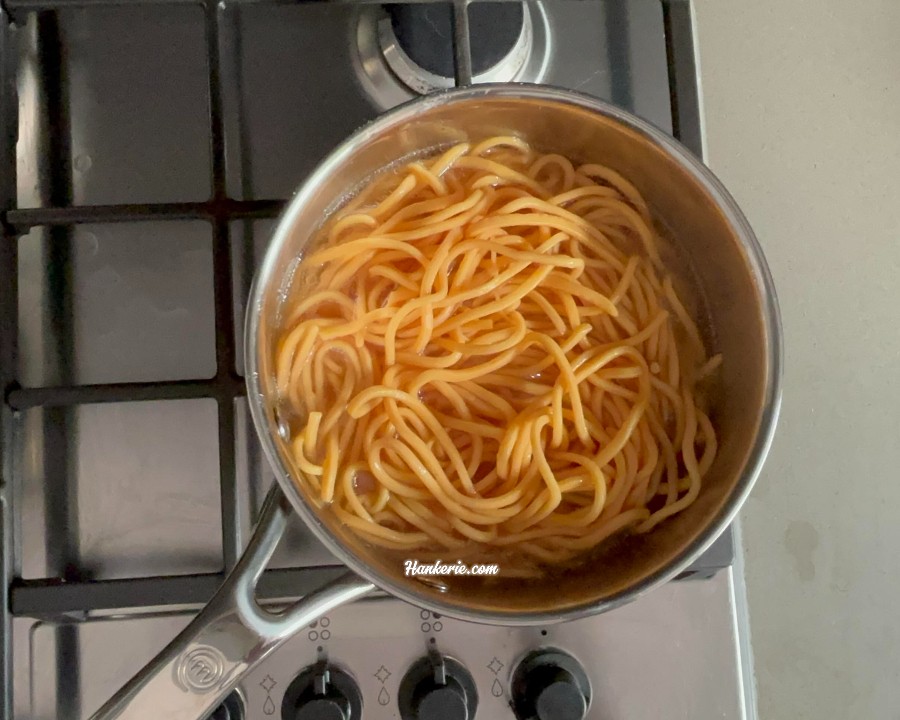
- Noodle Nirvana (Add Cooked Noodles): The moment has arrived. Add the pre-boiled, well-drained Hokkien noodles to the saucepan. Now, be gentle but efficient. Use tongs or a combination of spatula and spoon to toss the noodles with the sauce and other ingredients. Your goal is to coat every strand of noodle evenly with that gorgeous dark sauce without breaking the noodles, which will be softer after boiling. Keep tossing gently for 1-2 minutes, ensuring the noodles are heated through and fully integrated. Lift from the bottom and fold over, rather than vigorously stirring, to keep the strands intact.
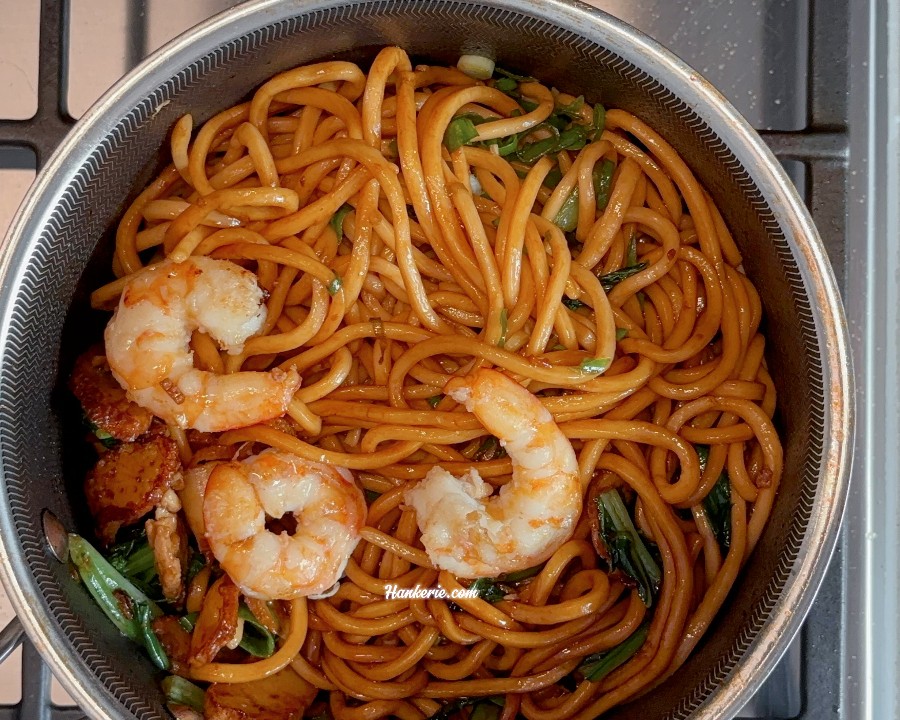
- Encore! (Return Prawns): Remember those perfectly cooked prawns waiting patiently? Add them back to the pan now. Give everything one final gentle toss to distribute the prawns throughout the noodles and coat them in the sauce. They just need to heat through again, which will happen almost instantly.
(Finale: Curtain Call)
- Serve Immediately: Turn off the heat. Don’t delay! Fried noodles are best served piping hot, straight from the pan. Divide the glorious, saucy noodles, pork, fish cake, prawns, and vegetables among your serving plates.
- Garnish & Glory: Sprinkle the reserved sliced green parts of the spring onion over the top. This adds a final pop of colour and fresh, sharp flavour.
And there you have it. On the plate before you is not just dinner, but the culmination of our journey. A steaming, fragrant, deeply coloured plate of Easy Malaysian-Style Fried Noodles, created by you, in your kitchen, on an ordinary weeknight. It’s familiar, yet new. It’s comforting, yet exciting. It’s proof that delicious, globally inspired food doesn’t have to be complicated or reserved for weekends.
Beyond the Bowl: Variations, Serving Suggestions, and Final Thoughts
One of the most beautiful things about cooking, especially stir-fries, is its inherent flexibility. This recipe is a fantastic starting point, a reliable template, but feel free to consider it an invitation to experiment and make it your own.
Playing with the Cast (Variations & Substitutions):
- Vegetarian/Vegan Voyage:
- Protein: Swap the pork, prawns, and fish cake for cubed firm or pressed tofu (pan-fry it first until golden), shiitake mushrooms (fresh or rehydrated), button mushrooms, or seitan. Edamame beans or roasted cashews could add texture and protein too.
- Sauces: Use a vegetarian oyster sauce (mushroom-based versions are widely available). Ensure your gravy granules are vegetable-based or omit them and use a cornstarch slurry. Fish sauce is tricky – you can use a vegan fish sauce alternative, or simply increase the soy sauce slightly and add a pinch more salt, perhaps a tiny bit of seaweed (like crumbled nori) for a hint of the sea.
- Protein Parade: Not keen on pork or prawns? Try thinly sliced chicken breast or thigh, tender beef strips (like flank or sirloin), or even squid rings (add them near the end like prawns, as they cook quickly).
- Vegetable Variety: Don’t stop at Choy Sum! Add sliced carrots (add with the stems), shredded cabbage (add with the leaves), bell peppers (any colour, sliced), bean sprouts (add right at the end for crunch), snow peas, or green beans (blanch them first). Clean out your vegetable crisper!
- Noodle Notes: While thick Hokkien noodles are ideal for this style, you could experiment with Udon noodles (similar thickness and chew), or even Shanghai thick noodles. Just adjust the initial boiling/loosening time accordingly based on package instructions.
- Spice It Up: Craving some heat? Add a teaspoon (or more!) of Sambal Oelek (chilli paste) along with the other sauces. Or toss in some sliced fresh red chillies with the garlic and spring onion whites. A drizzle of chilli oil at the end is also fantastic.
- Gluten-Free Adaptation: Use gluten-free Hokkien-style noodles if you can find them, or substitute thick rice noodles (like Lai Fun or Pad See Ew style noodles). Use Tamari instead of light and dark soy sauce, ensure your oyster sauce is gluten-free, and swap ShaoXing wine/Mirin for dry sherry/rice vinegar & sugar respectively (check labels). Omit gravy granules and use a cornstarch/tapioca starch slurry.
Serving Suggestions & Garnishes:
While delicious on its own, a few extra touches can elevate the experience:
- Essential Garnishes: Beyond the spring onions, consider:
- Fried Shallots: Crispy, sweet, and intensely flavourful. You can buy these pre-made in tubs at Asian markets – a worthy pantry staple!
- Fresh Coriander (Cilantro): Adds a bright, herbaceous note.
- Lime Wedges: A squeeze of fresh lime juice at the table cuts through the richness and brightens everything up. Highly recommended!
- Pickled Green Chillies: A classic Malaysian condiment, offering a tangy, spicy crunch.
- On the Side: A small bowl of fiery Sambal Belacan (shrimp paste chilli sauce) for those who like it extra hot. Maybe some simple cucumber slices to cool the palate.
- Drinks: Keep it Malaysian with a glass of Teh Tarik (pulled milk tea), iced lime juice, or a Bandung (rose syrup milk drink). A crisp, light lager also pairs well.
The Lingering Taste: More Than Just Dinner
As you savour the last strands of these saucy, flavourful noodles, take a moment. Think about the journey from craving to creation. You didn’t need a plane ticket or a specialized kitchen setup. You harnessed the power of everyday ingredients, a hot pan, and a little bit of technique to bring a taste of Malaysian comfort food right to your table.
This dish, in its easy weeknight form, is a testament to the adaptability of food and the resourcefulness of the home cook. It acknowledges its roots in the rich tapestry of Malaysian street food while carving out its own identity – one that prioritizes flavour and feasibility. It doesn’t try to be an exact replica of KL Hokkien Mee, but rather a delicious expression of its core ideas: dark, savoury-sweet sauce, satisfyingly chewy noodles, and a happy mix of protein and vegetables.
Cooking, especially dishes that connect us to other places or memories, can be a powerful act. It’s nourishment, yes, but it’s also connection, creativity, and sometimes, just pure, simple comfort. It’s the ability to transform a mundane Tuesday into something a little more special, a little more flavourful.
So, the next time that craving for rich, dark, savoury noodles hits, I hope you feel empowered. Remember this story, this process. Remember the sizzle of the garlic, the deepening colour from the soy sauce, the satisfying heft of the noodles as you toss them. Remember that you can create something deeply satisfying, wonderfully flavourful, and perfectly suited for your own busy life.
This Easy Malaysian-Style Fried Noodles recipe is now part of your repertoire, a secret weapon against weeknight dinner boredom, a comforting hug in a bowl. Share it, adapt it, make it your own. Let it be the start of many more delicious culinary adventures in your kitchen.
My Easy Malaysian-Style Fried Noodles Recipe
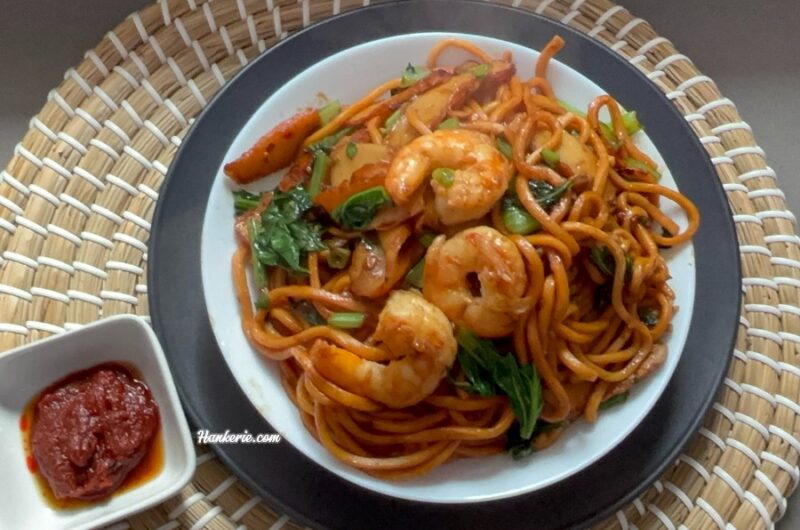
EASY Malaysian-Style Fried Noodles at Home | Weeknight Dinner Recipe
Course: Lunch or DinnerCuisine: malaysianDifficulty: easy2
servings10
minutes15
minutes300
kcalIt hits you sometimes, doesn’t it? That deep, undeniable yearning for a specific taste, a texture, a feeling that only a particular dish can evoke. For me, often, it’s the siren call of Malaysian street food, specifically the dark, glossy, glorious mess that is KL Hokkien Mee – thick yellow noodles bathed in a rich, dark soy sauce gravy, smoky from the wok hei, and utterly, profoundly satisfying.
But here’s the rub. Recreating that exact experience at home on a Tuesday night after a long day? It feels… ambitious. The powerful burner, the seasoned wok, the special ingredients like pork lard – it’s a commitment.
That’s where this recipe comes galloping to the rescue. Born from that intense craving but tempered by the reality of a busy schedule and a desire for something a little lighter, this is my Easy Malaysian-Style Fried Noodles at Home. It’s a loving homage, a translation capturing the essence of those dark, saucy noodles using everyday ingredients and manageable techniques. We skip the lard but strategically build layers of savoury depth, umami, and that crucial hint of sweetness.
Ingredients
- Noodles
450g Hokkien noodles (thick yellow noodles)
- Proteins
3 large prawns, peeled and deveined
A few slices of pork (marinated with 1 tsp light soy sauce)
90g fish cake (sliced)
- Vegetables & Aromatics
100g choy sum (stems and leaves separated, cut into 5cm lengths)
1 clove garlic, minced
1 stalk spring onion (white part chopped, green part sliced for garnish)
- Seasonings (add one by one)
1 TBSP oyster sauce
1 TBSP dark soy sauce
1 TBSP fish sauce
½ TBSP ABC sweet soy sauce (or 1 tsp sugar)
2 TBSP mirin
2 TBSP Chinese ShaoXing wine
1 tsp beef gravy granules powder (optional but delicious)
Directions
- Boil & Drain Noodles
- Bring a pot of water to a rolling boil.
- Add the Hokkien noodles and cook for exactly 1 minute.
- Immediately drain the noodles using a colander. You can give them a quick rinse under cold water to stop the cooking process and prevent sticking, then drain thoroughly again. Set aside.
- Prep: Ensure all your proteins, vegetables, aromatics, and individual seasoning sauces/powders are prepped and ready near your stovetop.
- Heat Saucepan & Sear Proteins
- Place your HexClad saucepan over medium-high heat. Add 1-2 TBSP of cooking oil.
- Once hot, add the minced garlic and chopped white part of the spring onion. Stir constantly for about 30 seconds until fragrant.
- Add the sliced fish cake and stir-fry for 1 minute until lightly golden.
- Add the sliced pork and stir-fry until lightly browned and cooked.
- Add the prawns and stir-fry until they turn pink and opaque (about 1-2 minutes).
- Remove the cooked prawns from the saucepan and set aside.
- Layer Sauces & Cook Vegetables
- Veggies: Add the Choy Sum stems first. Add the Choy Sum leaves. Stir-fry for about 1 minute.
- Colour & Umami: Add the Oyster Sauce, stir quickly to coat. Follow immediately with the Dark Soy Sauce and Fish Sauce, stirring constantly.
- Deglaze & Flavour: Pour in the Mirin and Chinese ShaoXing Wine. Let them sizzle for about 10-15 seconds, scraping up any bits stuck to the pan.
- Sweetness & Gravy: Stir in the ABC Sweet Sauce (or sugar). Sprinkle the Beef Gravy Granules Powder evenly over the ingredients. (optional) Immediately add the 2 TBSP of water and stir quickly and thoroughly to dissolve the powder and create a sauce, ensuring no clumps form. Cook for about 30 seconds until the sauce thickens slightly.
- Add Cooked Noodles: Add the pre-boiled and drained Hokkien noodles to the saucepan. Gently toss and stir everything together for 1-2 minutes. Your goal is to coat the noodles evenly with the sauce and heat them through without breaking them (they will be softer from boiling).
- Combine
- Return the cooked prawns to the saucepan. Stir everything together to coat well in the sauce.
- Serve
- Turn off the heat. Transfer the noodles and other ingredients immediately to serving plates.
Recipe Video
Notes
- Noodles Clumping/Sticking: Did you rinse lightly after boiling? Did you drain really well? Is your pan hot enough when you add them? Are you tossing gently but thoroughly to coat in sauce quickly? Don’t overcrowd the pan – cook in batches if necessary.
- Noodles Mushy/Breaking: Did you boil them for too long initially? (Remember, just 1 minute!). Are you stirring too aggressively? Use a lifting/folding motion.
- Sauce Too Salty: Usually due to the interplay of soy sauces, fish sauce, and oyster sauce. Start with slightly less fish sauce or soy sauce if you’re sensitive to salt, then taste and adjust at the end. The sweetness from Kecap Manis/sugar/Mirin helps balance the salt.
- Sauce Too Sweet: Adjust the Kecap Manis/sugar next time. A dash more fish sauce or a tiny splash of rice vinegar can help balance excess sweetness.
- Ingredients Watery: Did you drain the noodles enough? Did you wash vegetables but forget to dry them? High heat helps evaporate excess moisture quickly. Ensure your pan is hot.
- Proteins Tough (Pork/Prawns): Pork likely sliced too thick or cooked too long. Prawns definitely cooked too long – remember to remove them temporarily!
Tools and Ingredients
HexClad Hybrid Nonstick 3-litre Saucepan with Tempered Glass Lid: (AU) https://amzn.to/4cTLOC8 | (US) https://amzn.to/4cQAO8o
Kitchen Knife Set with Block: (AU) https://amzn.to/3Q0onxu | (US) https://amzn.to/3VSCfO0
Wokka Singapore Style Noodles 440 g (similar to Hokkien noodle): (AU) https://amzn.to/42zlHME
Serve with Heart
Plate it up. Sprinkle with spring onion greens or coriander leaves. Maybe add a fried egg if you’re feeling indulgent.
Sit down. Breathe in. And take that first bite. It’s not quite Jalan Alor, but it’s a little piece of home—right from your own kitchen.
Tips from My Malaysian Kitchen
- Soaking the noodles: A quick blanch is enough—don’t overcook!
- Layer the sauces: Build up the flavor in stages for that “wow” factor.
- Don’t skip mirin + ShaoXing wine: That’s your umami magic duo.
- Too saucy? Skip the water or beef granules. Adjust to your liking.
- Veg swap? Baby bok choy, spinach, or even cabbage works great.
- Make it spicy? Toss in some sliced red chili or sambal at the end.
Final Thoughts: What This Dish Means to Me
It’s more than just dinner.
It’s a reminder of home.
Of late-night stalls with plastic stools.
Of mom shouting “Makan sudah!”
Of rainy evenings with hot noodles in a bowl too big for your lap.
And now, it’s part of my weeknight routine—served to my family here in Sydney, with a side of memories and just enough sauce to make me feel like I’m back in Malaysia for a moment.
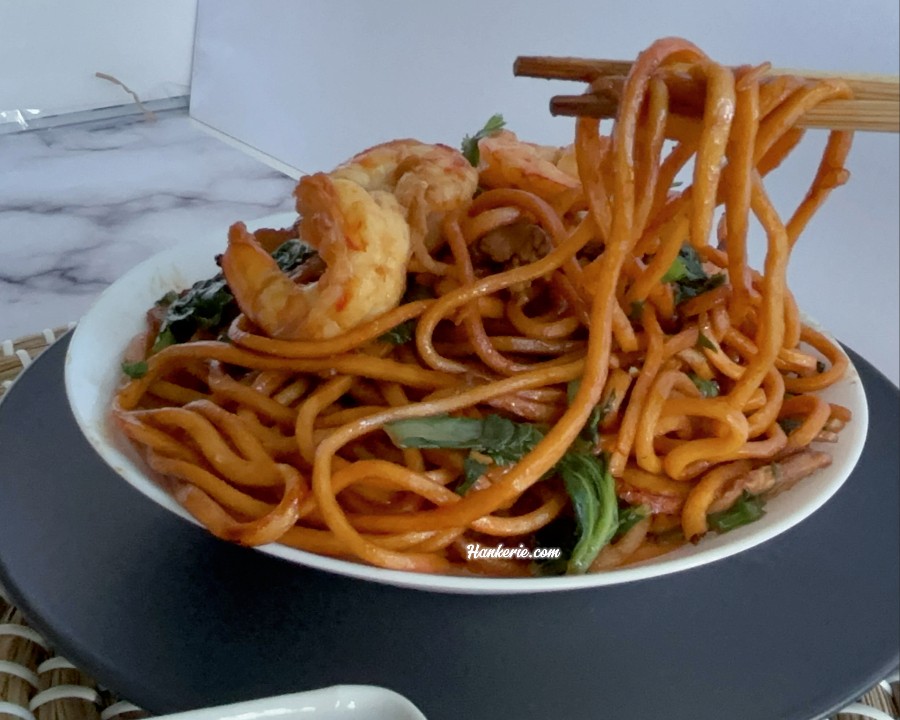
📌 Want the printable version of this recipe?
Head to Hankerie.com for a full recipe card and subscribe to our newsletter for more hometown-inspired easy meals.
📌 Condiment with this Hokkien Noodles Recipe
Ultimate Sambal Chillies Recipe to Take Your Noodle to New Heights ! ➡️ https://youtu.be/jI2r_ASlHtA
📌 Other Noodles Recipe
What We Love: 🔥 Get more delicious cooking recipes episode in this Hometown Food Cooking Series! ➡️ https://youtube.com/playlist?list=PLe50YKtSlHF62Msd7Kn1MxoNtoZ5sVRSq&si=OU6yCzbGuMeYbygH 🔥
🔥 Char Kuey Teow ! ➡️ https://youtu.be/rSvmq4C2Q88
🔥 How To Make Wat Tan Hor | Silky Egg Noodles ➡️ https://youtu.be/vAutlPwfY_M